
Thinking, Writing & InquiryI help students strengthen their reading, writing, research, and independent thinking through close mentorship, rigorous inquiry, and thoughtfully designed AI learning partnerships. My work combines college essay mentorship, humanities and social science research support, and bespoke GPT development to help students engage more deeply with complex ideas and build greater confidence in their own intellectual voice.
Thinking & Studying
I help students engage more actively and independently with academic work through strategies for close reading, evidence gathering, analytical note-taking, organization, and long-form study practices. Support may include Cornell-style note systems, reading academic texts for argument and evidence, study workflow development, and approaches to managing complex intellectual material across disciplines.
College Essays
I help students move beyond generic achievement narratives to develop compelling personal statements and supplemental essays grounded in reflection, intellectual curiosity, and a strong sense of voice. From identifying meaningful narrative arcs and storyboarding ideas to refining structure, tone, and college-specific responses, the process emphasizes thoughtful storytelling rather than formulaic admissions writing.
Custom GPT Learning Systems
I design and train bespoke GPT-based learning systems tailored to each student’s intellectual interests, academic goals, reading habits, writing style, and workflow needs. These systems are designed to support reading comprehension, brainstorming, research organization, drafting, revision, and reflective thinking without replacing genuine intellectual engagement or independent authorship. Students also learn how to use these systems thoughtfully and effectively as part of a larger academic workflow shaped around inquiry, interpretation, and deeper understanding
Thesis & Research Project Support
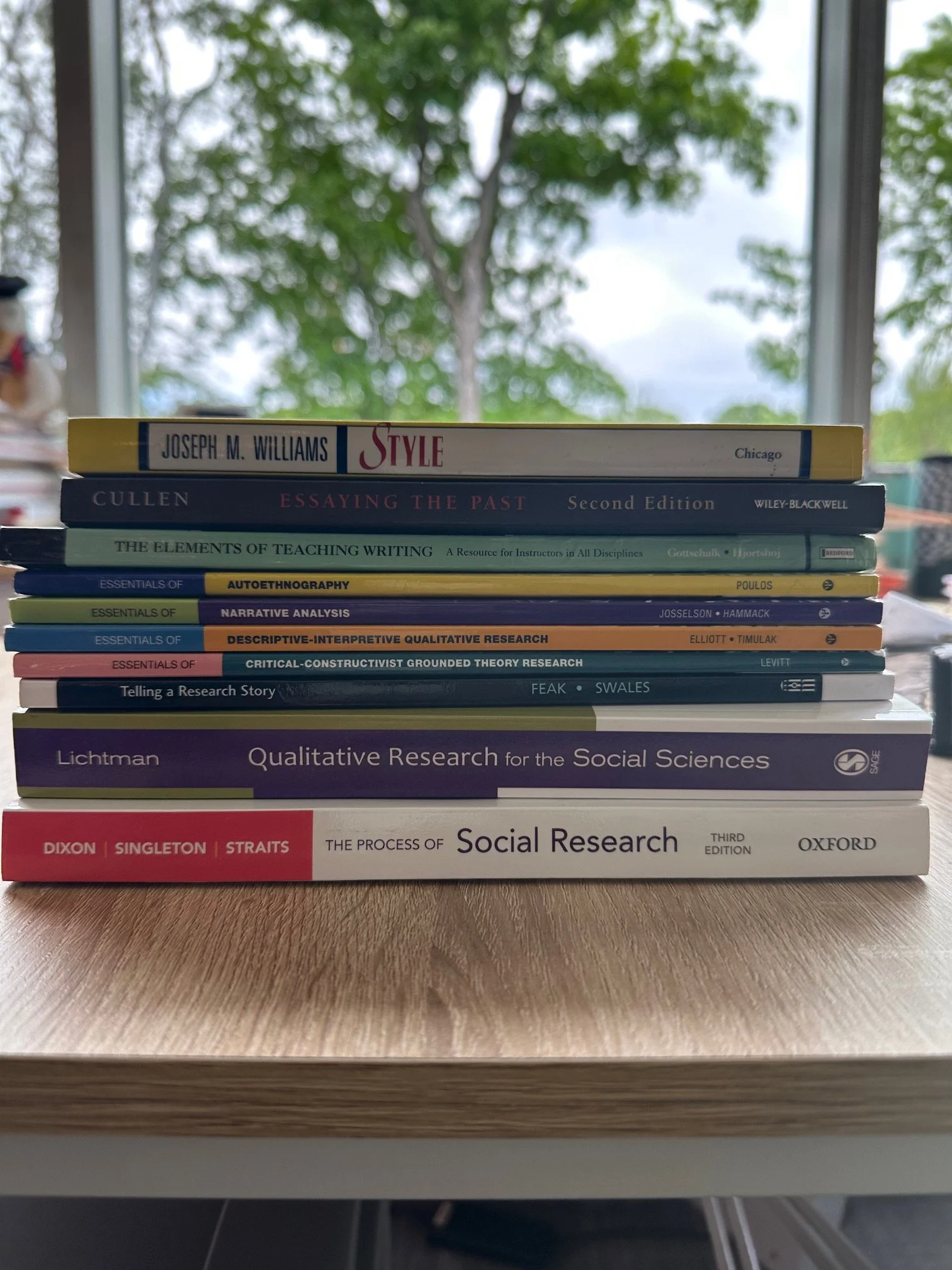
I provide close mentorship in humanities and social science research, including articulating research questions, selecting appropriate methodologies, conducting literature reviews, and developing long-form analytical writing. Support may include training in qualitative methods such as semi-structured interviews, focus groups, ethnographic observation, evidence collection, and argument development for theses, capstones, and independent research projects.
Bespoke GPT learning partners

I design and train bespoke GPT learning partners using OpenAI’s custom GPT framework to support students in reading, writing, research, brainstorming, organization, and long-form intellectual work. Each GPT is developed collaboratively around a student’s academic goals, intellectual interests, learning habits, writing style, strengths, challenges, and ways of thinking.
These GPTs differ significantly from the standard open chat interface. Rather than functioning as generic conversational tools, they are carefully shaped around specific intellectual goals, academic workflows, and modes of inquiry. The process involves far more than simply “building a chatbot.” Together, we develop AI-supported practices for reading, questioning, organizing information, brainstorming ideas, refining arguments, and sustaining meaningful engagement with academic work over time. support reading. Depending on the student’s goals, these GPT learning partners may support reading and annotating academic texts, brainstorming and idea generation, research organization and synthesis, thesis and argument development, note-taking and study workflow systems, revision and reflective writing practices, long-form project planning and organization, intellectual habit formation and independent study
I also work closely with students to help them learn how to communicate productively with these GPTs, refine and update them over time, and integrate them thoughtfully into larger practices of reading, writing, research, and self-reflection. Over time, students often develop their own shorthand, workflows, and modes of interaction that make the GPT feel less like a generic AI tool and more like an intellectually responsive thinking partner.
Rather than functioning as shortcut-generating tools, these GPTs are intentionally designed to support understanding, inquiry, reflection, and independent thinking. The goal is not to replace authorship or automate academic work, but to help students engage more deeply with their own ideas while learning how to use AI thoughtfully, ethically, and responsibly as part of a larger intellectual practice.
Each GPT is iterative, highly personalized, and designed to evolve alongside the student’s intellectual growth, changing interests, and academic development.
Let’s begin the conversation
Whether you’re a student or parent interested in college essay mentorship, research support, or bespoke GPT learning partners, I’d love to hear more about your goals, interests, and questions.